About the studio · New Canaan, CT

We give the small words the same care as the big launch.

Buttons, tooltips, the line beneath a password field — these are the words a new user reads first and remembers longest. Lingwhistle exists to look after them in Spanish, Portuguese, German and Japanese, so the person on the other end feels expected rather than translated for.

Proof · Onboarding, screen 1EN → DE

SourceWelcome aboard. Let’s set up your workspace — it takes about two minutes.

Willkommen an Bord. Richten wir Ihren Arbeitsbereich ein – das dauert etwa zwei Minuten.

  1. Ihren — formal Sie, as agreed in the tone notes. Every screen after this one matches.
  2. Arbeitsbereich — glossary term, signed off before translation began.
  3. – — German typesetting: a spaced en dash, not the English em dash.
Checked on device · ready for hand-back
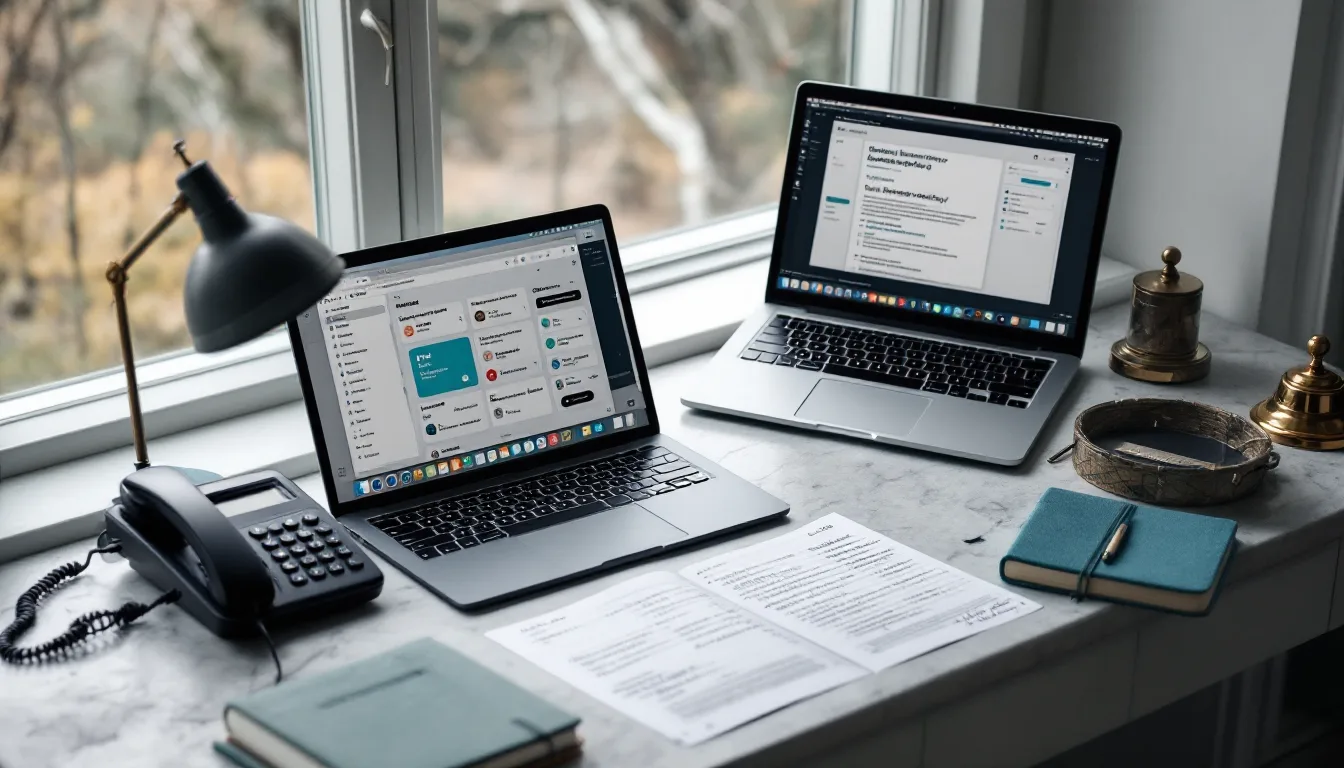
The Lingwhistle desk by the window: a teal-annotated glossary, a laptop showing a Japanese onboarding screen, a desk bell and a phone handset

21 Rilling RdgThe desk where every glossary is kept. Visits are by appointment — we’ll have the kettle on and your terms laid out.

Why Lingwhistle exists

Your second-language users deserve the first draft’s attention

Most software teams spend weeks on their English onboarding: rewriting the welcome screen, testing the checklist, debating a single button label over lunch. Then the Spanish version arrives as a spreadsheet export, translated line by line by someone who never saw the screen. The words are correct. The welcome isn’t.

Lingwhistle was set up in New Canaan to close that gap. We work on one kind of content — the onboarding, microcopy and help-center articles that sit between sign-up and a user who stays — and in four languages only, so each one has a translator and a reviewer who live inside it.

The name is a small private joke: the quiet whistle a careful reader lets out when a sentence finally sounds as if it began in their own language.

We listen for that whistle on every string. Staying narrow is what lets us know your glossary by heart, hold your tone steady from one release to the next, and pick up the phone ourselves when you ring.

Our own style sheet

Six habits we keep, whatever the size of the pack

Every client receives a style sheet for their product. This is the one we wrote for ourselves — the habits that hold whether you’ve sent a dozen strings or twenty-five help articles.

  1. Context before copy

    You’ll noticeWe ask for screenshots or a staging login first, and translate with the screen in view.

    We neverTranslate a button we haven’t seen.

  2. Glossary first

    You’ll noticeYour key terms are agreed in all four languages and sent for sign-off before a sentence is written.

    We neverLet “workspace” drift into three different words across three screens.

  3. Two native readers

    You’ll noticeA translator, then a reviewer who grew up speaking the language — on every string, including the dull ones.

    We neverPass off machine output as reviewed work.

  4. Keys left alone

    You’ll noticePlaceholders like {name} and %d come back exactly where your code expects them.

    We neverReturn a file that breaks your build.

  5. Shorter when it must be

    You’ll noticeWhere a translation would overflow, a shorter version is already written and flagged in the QA notes.

    We neverTruncate quietly and hope nobody spots it.

  6. Questions in one batch

    You’ll noticeQueries arrive once a day, each with our best answer attached, so most need only a “yes.”

    We neverGuess at meaning, or interrupt you every hour.

Your own style sheet comes with every pack — from the Microcopy Sweep at $685 per language upward — and stays yours to share with any team that touches your copy.

Talk it through · (203) 966-5655

From a reviewer’s desk

What a second native reader catches

A first translation can be accurate and still feel borrowed. These are the kinds of corrections our reviewers make inside staging builds — every one of them would have sailed through a spell-check.

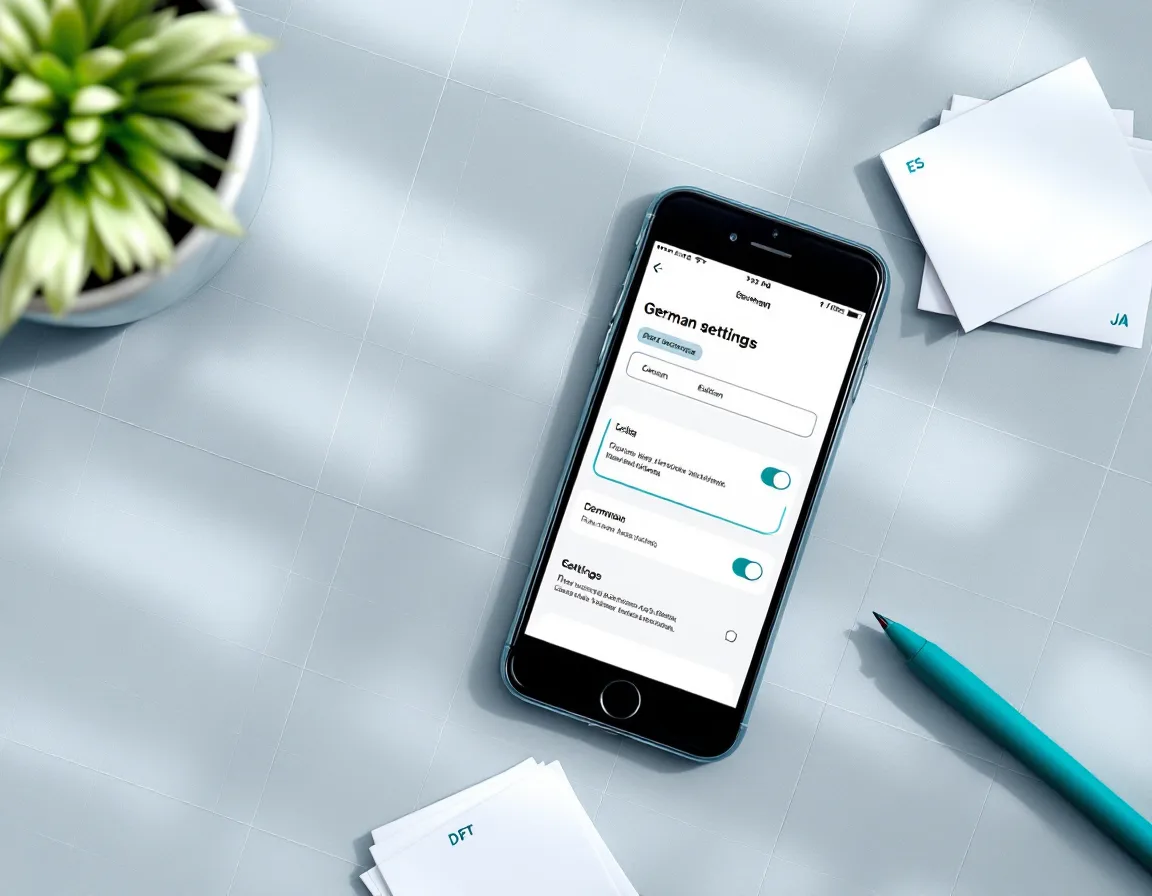
A phone showing a German settings screen beside a printed screenshot with an overflowing button label circled in teal ink
A QA pass in progress: the label looked fine in the spreadsheet and wrapped on the phone.
GermanButton · 140px wide
Before: Teammitglieder einladen After: Team einladen

The longer form wrapped onto two lines on smaller phones. The shorter one fits the button and still reads as natural German.
JapaneseSetup tooltip
Before: あなたのワークスペースを設定しましょう After: ワークスペースを設定しましょう

Japanese rarely says “your” aloud; あなたの felt oddly pointed. Without it, the line sounds like a considerate host.

SpanishReturning-user greeting
Before: Bienvenido de nuevo After: Te damos la bienvenida de nuevo

The first version greets only men. The second welcomes everyone, and keeps the warmth of the English.

Portuguese · BRSign-up field label
Before: Introduza o seu e-mail After: Digite seu e-mail

“Introduza” is European Portuguese. A reader in Brazil would sense straight away that the product wasn’t written with them in mind.

GermanSign-in link
Before: Melde dich an After: Melden Sie sich an

Every other screen used Sie. One stray du, and the product suddenly sounds like two different companies.

Ring before you send a single file

A short call is the kindest place to begin

(203) 966-5655

Hours are by appointment — book a call. Tell us what you’re shipping and when; we’ll send a time for a thirty-minute scoping call that suits your week, and a written quote follows within one business day.

Hours
By appointment — book a call
Studio
21 Rilling Rdg, New Canaan, CT 06840
Find your way up the ridge

Handy to have when you ring

  • Your string export, or a link to where it lives
  • The languages you have in mind — one is a fine start
  • Your release date, even a rough one
  • A staging login or a few screenshots, if you have them
By appointment — book a call Call (203) 966-5655